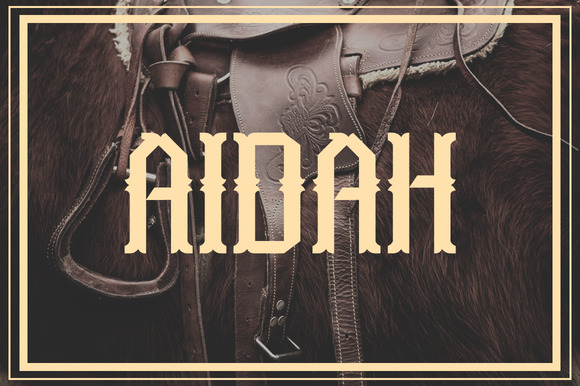
Aidah Typeface: A Unique Design Tool for Creative Professionals
Aidah is a distinctive typeface that stands out in the world of typography due to its versatility and aesthetic appeal. Designed with creativity at its core, Aidah offers three unique styles within one package, making it an ideal choice for designers who need flexibility without compromising on quality or character. Whether you're working on branding materials, editorial design, or personal projects, Aidah provides a broad range of applications, from bold headings to elegant quotes.
What Makes Aidah Different?
The Aidah typeface is more than just a font—it's a collection of stylistic variations that can adapt to multiple design needs. Unlike many standard fonts that offer only subtle differences between weights or widths, Aidah includes three distinct styles, each with its own personality and visual tone. This allows users to maintain consistency in their projects while still achieving variety and visual interest.
Aidah features both uppercase and lowercase characters, along with numbers and standard punctuation, ensuring it can be used in a wide array of typographic scenarios. The inclusion of these elements makes it suitable not only for decorative uses but also for functional text where readability is key. The font files are provided in both OTF (OpenType) and TTF (TrueType) formats, giving designers the freedom to use it across different platforms and software without compatibility issues.
Key Features of Aidah
- Three Distinct Styles: Each style serves a different purpose, whether you’re aiming for a vintage look, a modern edge, or something in between.
- Comprehensive Character Set: Includes uppercase, lowercase, numerals, and standard punctuation for practicality.
- Cross-Platform Compatibility: Available in both OTF and TTF formats for use in Adobe products, Microsoft Office, and other design tools.
- High-Quality Typography: Crafted with attention to detail, Aidah ensures professional results even in complex layouts.
When to Use Aidah: Best-Fit Scenarios
Aidah is particularly well-suited for specific use cases where a balance of elegance and functionality is needed. Here are some situations where this typeface shines:
- Headings and Titles: The bold and refined nature of Aidah makes it perfect for headlines that demand attention without overwhelming the reader.
- Logos and Branding: With its clean lines and adaptable styles, Aidah can help create memorable logos that reflect a brand’s identity.
- Posters and Flyers: The font’s strong presence and legibility make it an excellent option for print media where impact is essential.
- Quotes and Captions: Its readable yet artistic form works well in highlighting key phrases or adding flair to captions.
- Vintage and Retro Designs: One of the included styles evokes a classic feel, ideal for themes centered around nostalgia or historical aesthetics.
Strengths of Aidah
Aidah excels in several areas that make it a valuable asset for creative professionals:
- Design Versatility: The three styles allow for seamless transitions between different sections of a project, reducing the need to switch between multiple fonts.
- Legibility: Despite its stylistic uniqueness, Aidah maintains a high level of readability, especially in larger sizes used for headings and titles.
- Professional Quality: As a well-crafted typeface, Aidah supports advanced typographic features found in OTF format, such as ligatures and alternate characters.
- Accessibility Across Software: The availability of both OTF and TTF versions ensures that Aidah can be used in a wide range of design applications, including InDesign, Illustrator, Photoshop, and even Word or PowerPoint.
Comparing Aidah to Other Typefaces
While there are many typefaces available for similar purposes, Aidah differentiates itself through its combination of style and substance. Many fonts focus either on artistic expression or typographic utility, but Aidah manages to do both effectively. For instance, when compared to other decorative fonts, Aidah maintains better readability, which is crucial for effective communication in design work.
In terms of functionality, Aidah holds its own against more utilitarian typefaces like Helvetica or Arial. Although those fonts are known for their neutrality and adaptability, they lack the visual character that Aidah brings to a design. On the other hand, when compared to purely ornamental fonts, Aidah avoids the pitfalls of being too difficult to read, especially in longer passages or smaller text sizes.
This balance means that Aidah is often preferred over fonts that may require additional styling or spacing adjustments to achieve the same effect. It’s a font that works out of the box for a variety of design contexts, saving time and effort during the creative process.
Tradeoffs and Limitations
Despite its strengths, Aidah isn't the best fit for every situation. Here are some considerations to keep in mind before choosing this typeface:
- Not Ideal for Long Text: While Aidah is great for short, impactful statements, it may not be the best choice for body text due to its stylized characteristics. For lengthy content, pairing it with a simpler sans-serif or serif font could enhance overall readability.
- Requires Careful Pairing: Because of its distinct personality, Aidah should be paired with complementary fonts that don’t clash visually. Choosing the right supporting font can significantly affect the outcome of your design.
- May Not Suit All Themes: Depending on the tone of your project, the vintage-inspired style might not align with modern or minimalist aesthetics. It’s important to evaluate how each of the three styles fits your design intent.
How to Choose the Right Style of Aidah
Since Aidah comes with three different styles, selecting the most appropriate one for your project is essential. Here’s a breakdown of when each style might be best suited:
- Style 1 – Bold and Decorative: Ideal for logos, posters, and large headings where a strong visual statement is required.
- Style 2 – Elegant and Balanced: Works well for quotes, captions, and subheadings where a touch of sophistication is desired.
- Style 3 – Vintage-Inspired: Perfect for retro-themed designs, packaging, or any project looking to evoke a sense of nostalgia.
Each style has been thoughtfully designed to serve a specific function, so experimenting with them can lead to more dynamic and cohesive visual outcomes. Understanding how they differ will help you leverage Aidah more effectively in your work.
Practical Applications and Examples
To better understand the real-world value of Aidah, consider the following examples:
- Poster Design: A music festival poster using Style 1 for the event title and Style 2 for artist names creates a vibrant and layered visual hierarchy.
- Logo Creation: A boutique coffee shop logo benefits from Style 3’s vintage charm, reinforcing the brand’s cozy, artisanal vibe.
- Editorial Layouts: In a magazine layout, using Style 2 for pull quotes adds elegance without disrupting the flow of the article.
- Flyer Design: For a local event flyer, combining all three styles can add depth and visual interest, drawing the viewer’s eye naturally through the content.
These examples illustrate how Aidah can elevate various design projects by offering a mix of personality and professionalism. When applied correctly, it enhances the message rather than overshadowing it.
Decision Factors When Choosing Aidah
Selecting Aidah—or any typeface—should be based on several factors to ensure it meets your project’s goals:
- Project Purpose: Determine whether your design requires bold visuals, elegant details, or a nostalgic feel. Aidah’s styles cater to each of these needs.
- Target Audience: Consider the preferences and expectations of your audience. If they respond well to traditional or vintage aesthetics, Aidah can be a strong choice.
- Software Compatibility: Ensure that your design software supports the OTF and TTF formats included in the .rar file. Most modern tools do, but it’s worth confirming if you plan to use it in niche applications.
- Typography Expertise: If you’re new to font pairing, Aidah’s distinctiveness might require some learning. However, its user-friendly structure helps ease the transition into more advanced typographic practices.
Alternatives to Aidah: When to Look Elsewhere
If your project doesn’t align with the aesthetic or functional profile of Aidah, there are alternative approaches to consider:
- Minimalist Fonts: For ultra-clean, modern designs, a font with simple geometry and neutral tones might be more appropriate.
- Script Fonts: If you need a handwritten or calligraphic appearance, script fonts could offer a more natural feel, though they often sacrifice readability.
- Monospaced Fonts: For coding interfaces or typewriter-style designs, monospaced fonts provide consistent character width, which Aidah does not.
- Unicode Support Requirements: If your project involves languages beyond Latin scripts, ensure the font you choose supports those characters. Aidah focuses on standard English glyphs.
Ultimately, the decision to use Aidah depends on your design objectives. If you’re looking for a font that blends creativity with usability, it’s a solid contender. But if your needs lean toward extreme minimalism, specialized language support, or technical applications, other options may suit better.
Conclusion: Making an Informed Choice
Aidah is a typeface that bridges the gap between artistic expression and practical design. Its three distinct styles offer a rare degree of flexibility, allowing creators to tailor their typographic choices without sacrificing quality or coherence. Whether you’re crafting a vintage poster, designing a brand logo, or enhancing a digital layout, Aidah delivers a professional result that stands out.
However, no single typeface is universally applicable. Understanding your project’s requirements and evaluating how Aidah fits into your design ecosystem is key. By considering factors like readability, style, and platform compatibility, you can determine whether Aidah is the right choice—or if another font might better meet your needs.
As with any design tool, the effectiveness of Aidah lies in how it’s used. Experiment with its styles, pair it wisely, and let its character enhance your creative vision.